Table Of Content
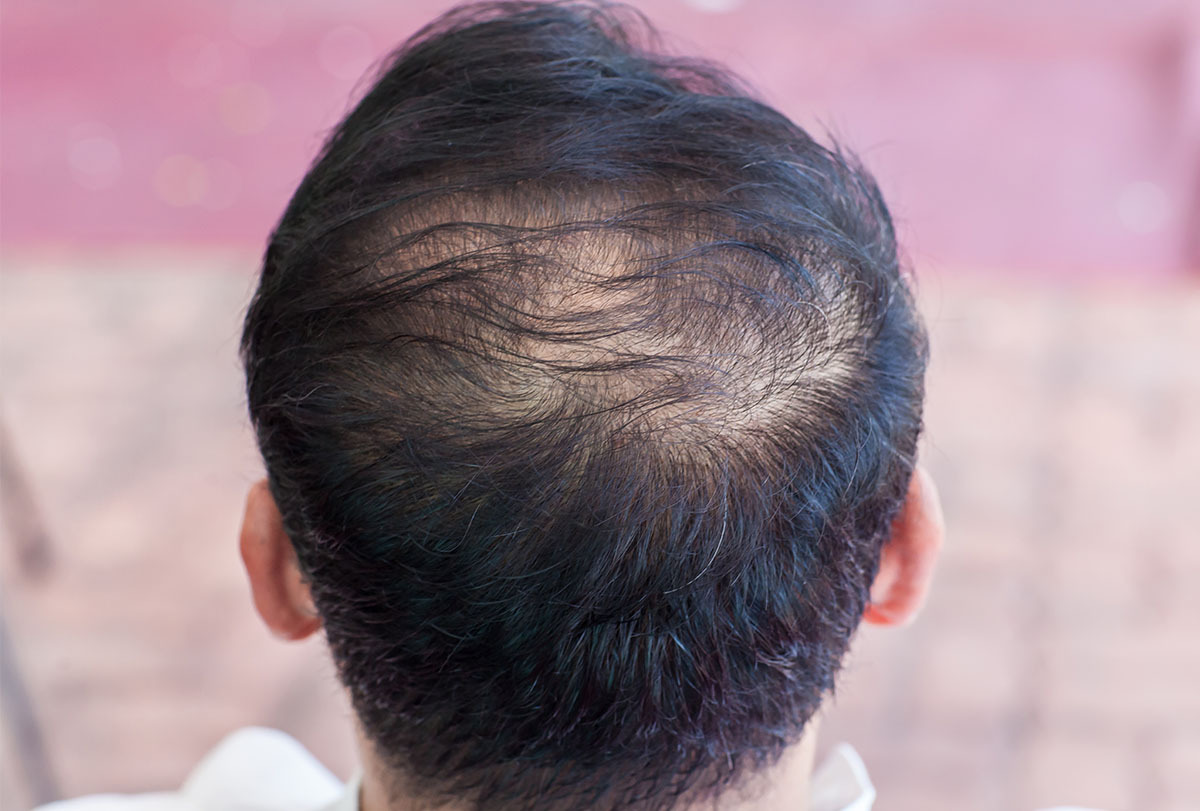
It affects around 50 million males and 30 million females in the United States. Approximately half of all people will experience it at some point. While the process of thinning hair can be concerning at first, many types of thinning hair are treatable. If your hair is thinning due to other reasons, you may be able to try topical products, such as shampoos and even prescription medications. People who have immune system deficiencies could also have thinning hair.
Hair Loss Causes
Hereditary hair loss will eventually progress despite surgery. Hair loss related to androgenic alopecia tends to happen gradually. While some people might experience hair loss as early as puberty, others might not notice symptoms until their middle ages. Trying to tell if you’re actually losing hair or just experiencing some normal shedding? Read on for more information about hair loss and how to manage it.
Treatments for Alopecia and Hair Loss
If a person is concerned about hair loss or if it affects their mental well-being, they may wish to consult a doctor. If a person has unexpected and rapid hair loss, they should seek medical advice. It is often acute, which means it occurs suddenly and for a limited time, but it can also be chronic, or long-term. It can happen several months after a stressful experience.

Hair Loss in Women: Causes, Prevention, and Treatment
It leads to cysts on a woman’s ovaries, along with other signs and symptoms, which can include hair loss. Stopping some types of birth control pills can cause a temporary hormonal imbalance. Women who develop a hormonal imbalance can develop thinning hair (or hair loss) on their scalp. See your doctor if you are distressed by persistent hair loss in you or your child and want to pursue treatment.
Hair thinning treatments and home remedies
They may also order blood tests to check for any nutrient deficiencies or signs of an underlying condition. The main symptom of alopecia is losing more hair than usual, but this can be harder to identify than you might think. For the purposes of this article, we use “male” and “female” to refer to a person’s sex assigned at birth. Yes, hair tends to regrow when you are no longer exposed to the poison. Hair loss can occur if you wear pigtails, braids or cornrows, or use tight hair rollers. Platelet-rich plasma injections, which can be performed in-office, are another option that can be helpful for certain patients.
Potential causes of hair loss in teenagers include genetic factors, hormonal imbalances, and underlying medical conditions. In some cases, hair loss can be reversible with proper treatment. Female pattern baldness is largely genetic, affecting hair along the top of a woman’s head.
10 Best Hair Growth Products for Men of 2024 - Good Housekeeping
10 Best Hair Growth Products for Men of 2024.
Posted: Tue, 16 Jan 2024 08:00:00 GMT [source]
Causes of teenage hair loss in males and females
Doctors sometimes prescribe other treatments off-label to reduce the incidence of hair loss in women. Androgenic alopecia causes the normal hair growth cycle to shorten. As a result, hair doesn’t grow as long or thick as it normally would. Androgenetic alopecia can occur at any age after puberty, but it’s most common in postmenopausal women. Advancing age and a family history of the condition are two of the primary risk factors. Below, we’ll explore common causes of hair loss in women and the treatment options available.
Androgenetic alopecia
But if that number seems to be ramping up and you notice your hair is looking thinner than it used to, aging or related factors could be to blame. Here are some questions people often ask about thinning hair. A number of home remedies may improve hair growth, although not all of them have scientific backing. Minoxidil and finasteride have Food and Drug Administration (FDA) approval to treat androgenetic alopecia. In chronic cases, shedding may continue, but a person will usually retain a reasonable head of hair.
While anyone can be affected, this issue is common in women who wear braids, tight pony tales, or corn rows. Over time, traction alopecia can lead to permanent hair loss. You're unlikely to lose all of your hair with female pattern baldness.
From straight to curly, thick to thin: here's how hormones and chemotherapy can change your hair - The Conversation France
From straight to curly, thick to thin: here's how hormones and chemotherapy can change your hair.
Posted: Thu, 11 Jan 2024 08:00:00 GMT [source]
It's most often temporary, but sometimes it can last for months or years. It usually happens when you're in your late 50s or 60s. But you may start to notice it as early as your late teens -- and the earlier it starts, the more serious it tends to be. Hormone changes during menopause can also contribute to this type of baldness.
If you do decide to give this treatment a go, make sure that your essential oil is diluted in a carrier oil such as coconut oil or jojoba). It’s common to lose 50–100 hairs per day, according to the American Academy of Dermatology (AAD). Any more than this could mean you’re shedding more than you should, which could contribute to overall thinning hair. “A lack of essential vitamins and minerals such as iron, zinc and vitamin D can contribute to hair loss, particularly if you are experiencing an iron deficiency. Vitamins are essential nutrients that play a crucial role in hair health and getting the adequate amount is important.
People can develop hair loss where boots, socks, or tight clothing frequently rubs against their skin. Many people who have plaque psoriasis develop psoriasis on their scalp at some point. If you receive chemotherapy or have radiation treatment to your head or neck, you may lose all (or most of) your hair within a few weeks of starting treatment. Free to everyone, these materials teach young people about common skin conditions, which can prevent misunderstanding and bullying.
The best treatment option for your type of hair loss depends on the cause. In some cases, hair loss may be reversible with proper treatment. A doctor may be able to diagnose the cause of your hair loss with a physical examination and by examining your medical history. They may do a pull test to see how many hairs come out, and examine your scalp with a microscope. Polycystic ovary syndrome is a common female health issue that leads to excess levels of androgen, or male sex hormones.
Traction alopecia is the result of environmental factors, such as wearing your hair in tight hairstyles, Agbai says. Telogen effluvium refers to the excessive shedding of hair follicles, and it occurs when hair follicles prematurely skip to the end of the hair growth cycle, she adds. Genetics is the most common cause, with others including autoimmune diseases, physical or emotional stress, cancer treatments, and medications.
Others might experience hair loss several weeks or months after they stop taking birth control pills. If traction alopecia continues, a person may develop patches of hair loss and thinning of the hair. Telogen effluvium is a condition in which the hair remains in the telogen phase of the cycle.




No comments:
Post a Comment